Team Safety Meeting in Factory

Fear is a powerful thing, and Halloween has historically been thought of as a scary time of year. Halloween traditions have been linked to the Celtic festival of Samhain, a new-year celebration that means “summer’s end.” It’s a time of stocking up on food and supplies for the winter, slaughtering cattle and tossing their bones into the fire—which is where we get the term bonfire. 

And there’s a spiritual element too. During the Celtic New Year, the veil separating the worlds of the living and the dead was believed to be at its thinnest, allowing the departed to once again walk the Earth, some seeking to say a final goodbye before moving on permanently to the great beyond.

It’s no surprise the morbid spiritual nature of Samhain and those early bonfires provided the perfect setting for telling stories, divining fortunes and foretelling destinies. Stories don’t just create an emotional connection, but they also transfer knowledge and guide future actions. While spooky stories are often entertaining, they are also meant to demonstrate how to handle our fears.

Talking about a spooky thing takes away its power, just like talking about your state of mind gives you more control over a situation. That’s why stories are such effective tools when it comes to teaching safety habits. Stories about injuries and close calls help us observe and understand the state a person was in when disaster struck, providing an opportunity to see how that state may have contributed to risky, critical errors.

Stories help us learn vicariously, and they work as effective and relatable illustrations of why it’s important to consider human factors when trying to avoid getting hurt. That’s why storytelling is a key part of SafeStart—because people remember stories long after the training.

SafeStart has four spooky SafeStart stories ready for you to tell at your next safety meeting, just in time for Halloween. The underlying state in all of these stories is fear and how it affects the storyteller’s normal reactions.

New this year, we have a story recalled from childhood and it’s perfect for spooky season, it’s called 8 Steps. The teller goes to their basement in search of a scare. This story brings all the fear we had as children going into the basement—and if we’re being honest with ourselves, some of the fear that still remains as adults too. The story details countless things that the teller could have been scared by (but wasn’t) and the surprising thing that had her running for her life. Take a look at this story through the SafeStart lens and determine how you think it could have been worse.

The second story is told from the perspective of a SafeStart-trained employee titled A Monster in the Woods. This story dives deep into the eerie setting of a red pine mystic forest, has the power of suggestion from the scary stories of a child and some unexplained monstrous noises coming from nearby. You’ll have to decide what you think made the sounds in the forest.

The third story, Web of Terror, deals with late nights, the Hunter’s Moon and a predatory yellow and black spider. Although there are a lot of things people would deem scary in this story, it was the thing you’d least expect that was almost the teller’s undoing.

The fourth story, Ghost Phone, features a teenager home alone on a dark and rainy day. While talking on the phone with her friend, something weird happened (the weird part was not a teenager talking on the phone—it was the 90s). Was it a ghostly encounter or something else? This SafeStart story reiterates how fear can impact your actions.

All are great SafeStart stories to accompany SafeStart training. And even if you haven’t implemented SafeStart training in your facilities, these stories can still help you to reduce human error and get people talking. Share these stories or use them as the basis to create your own spooky story—you never know who will be impacted by your message, and it may even save their life. 
On-demand webinar

Using a Human Factors Framework for Safety and Operational Excellence

It can be hard to see the connection between safety, productivity, human factors and organizational systems. This webinar will demonstrate how a human factors framework can impact all areas of an organization, linking individual worker safety and organizational systems and provide an outline that allows leadership to manage safety-focused change.

Watch now

Tagged , , , , ,

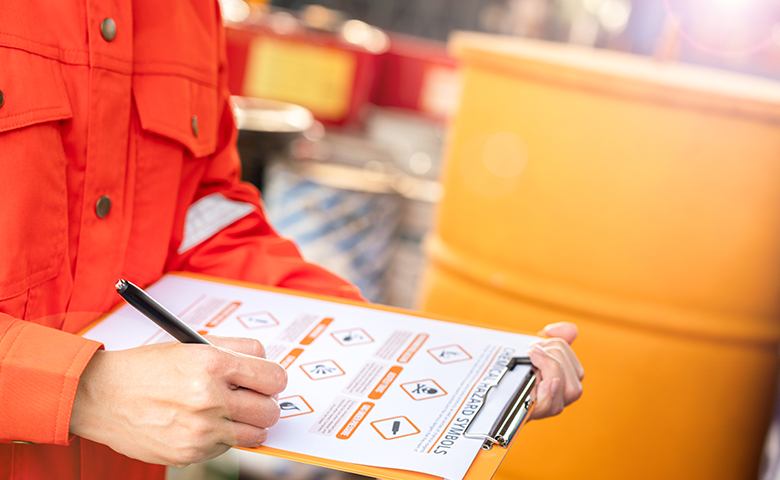
HazCom in the workplace

The rules for hazard communication are clear, and safety data sheet requirements and chemical spill protocols are equally well defined. But chemical safety continues to be misunderstood or overlooked by some workers, putting those employees and their peers at a greater danger of serious injury. 

In a recent article in Safety + Health magazine, safety expert Joe Tantarelli argues that the one of the prime culprits is complacency. A consequence of working with chemicals day in and day out is that employees can quickly become complacent to the risk of an incident occurring—and they also become complacent about the safety measures that are meant to protect them from chemical hazards. 

As Tantarelli says in the article: 

“…chemical labels seem to become the visual equivalent of white noise for some folks. Once complacency decreases the efficacy of chemical labels and other HazCom measures, workers are more likely to take additional risks. And human factors such as distraction and rushing will inevitably compound the chances of an incident occurring.” 

The good news is that safety professionals have a potential solution hiding in plain sight. Frontline supervisors and crew leaders are well positioned to identify chemical-safety issues in real time and then intervene to address them before they become major problems. From noticing people taking shortcuts to spotting workers who are fatigued or distracted, supervisors have a unique ability to recognize possible HazCom problems before they develop. 

The one hiccup is that supervisors and other frontline leaders need to understand how complacency and other human factors work before they can intervene effectively. They also require the skills to properly communicate with employees to head off any issues. If supervisors at your facility aren’t able to effectively combat complacency, Tantarelli suggests they may need support “such as skills development training or one-on-one mentorship, [which] can go a long way to improving the efficacy of safety’s eyes and ears when it comes to chemical safety.” 

Chemicals are a big enough danger on their own. When you add complacency and other human factors to the mix, the risk of a serious incident increases dramatically. Introducing supervisor-centric training can make a big difference in frontline leaders’ ability to recognize and respond to HazCom issues as soon as possible. 

In the same vein, human factors management training can provide useful context and personal safety awareness skills for workers as they navigate complacency while handling chemicals in the workplace. When combined with safety-focused supervisors, the end result is a heavily reduced risk of chemical spills and a much safer workplace. 

On-demand webinar

Focus on Distraction to Improve Safety Outcomes

Distraction is the underlying cause of most incidents. Learn how human factors training can help manage the states of mind that contribute to distraction and help prevent any related incidents in this short webinar.

Watch now

Tagged , , , , , , , ,

Winter shoveling and salting

For workplaces in northern climates, cold-weather hazards are par for the course. When fall turns to winter, almost no one is surprised when snow and ice make driving treacherous. Safety professionals in these regions are typically well-versed in the mitigating steps they can take to prevent slips and trips caused by slush and ice. They also likely have a trove of toolbox talks about the effects of cold stress, and a stash of weather-appropriate tires to put on work vehicles as the temperatures plummet. The same cannot always be said for workplaces located in more southern regions. 

Many warmer regions rarely experience the effects of winter weather, so they are often unprepared when a sudden cold snap or blizzard arrives. This can lead to all sorts of problems, and it dramatically raises the threat of injuries and production slowdowns. And because winter weather is becoming both more extreme and less predictable for everyone, it’s increasingly important for EHS professionals all across North America to be prepared to deal with sudden bursts of winter weather.  

Worksites that don’t often have cold-weather episodes can still stock up on supplies like road salt, snow-clearing tools like shovels, and housekeeping items like extra mops to deal with slush that gets tracked indoors. A far bigger challenge is managing the human element.  

Many safety professionals talk a lot about complacency, and rightly so—when workers become overly familiar with a task, their risk perception is often skewed and they can come to view themselves as safer than they actually are. The same is true of inexperience, as a lack of familiarity with tasks can also cause people to overlook very real hazards that could lead to an injury. When it comes to cold-weather events in warmer regions, a lack of experience can leave workers at a much greater risk of winter-related incidents. 

Thankfully, there are several proactive strategies that safety and operations professionals can take to prepare their workforce for the sudden arrival of a rare winter storm, no matter where they’re located. 

Prepare early  

No one can determine with absolute certainty when a snow squall will arrive months ahead of time. And once a meteorologist says that a storm is imminent, it’s often too late to get ready. This is why it can be beneficial to talk about cold-weather safety well before a storm appears on the radar.  

Because workers can sometimes be resistant to talking about ice and frost when temperatures are well above freezing, it can often be useful to discuss winter hazards in terms of emergency preparedness. That way, if a cold spell arrives, workers will already have some familiarity with the safety issues at hand. 

Safety and operations departments can also get ahead of surprise hazards by preparing winter-themed safety conversations, toolbox talks and other measures in advance. That way they’re ready to deploy them at a moment’s notice. EHS and ops folks should also review best practices for winter emergency preparation to ensure they’re ready for anything. 

Watch the weather 

Safety and operations managers already have a lot of tasks in their job description, but they might want to add amateur weatherperson to the list. While winter storms in warm climates are difficult to predict, it’s important to stay on top of the forecast and be aware of watches and warnings. 

Many folks are already in the habit of watching temperatures during the summer months so that they can monitor the risks of heat stress. It’s also worth keeping an eye on the weather during the winter months too, in case a cold stretch suddenly appears in the forecast. 

Operations and safety leaders can set up frequent reminders or alerts—in their calendar, email, or day planner—to prompt them to check the weather on a regular basis throughout the winter. By using scheduling tools instead of relying solely on memory, they counteract the natural complacency that might cause them to miss important forecast updates. 

Monitor human factors 

When snow and ice unexpectedly arrive, they bring with them a flurry of human factors. From overconfidence to panic, from rushing to frustration—people are subject to a range of mental and physical states when they are confronted with unfamiliar environmental conditions. After all, unexpected winter conditions present enough risk on their own, and they become even more dangerous when human factors are left unchecked. 

Frontline organizational leaders such as crew leads, operations managers and EHS folks should be prepared to deal with these human factors as they arise. Providing a calm, reassuring presence and a clear action plan to deal with winter hazards can go a long way in assuaging fears and concerns. And one-on-one conversations paired with team discussions can also mitigate the chances of human factors putting employees at risk. Of course, this is much easier to do when workers already have a good understanding of human factors, so consider human factors management training a key part of winter storm preparedness. 

Winter is coming 

The sudden arrival of ice and snow can come as shock for people in regions that rarely experience polar vortexes and other winter weather. They can also cause a number of safety and operational issues in the workplace. Fortunately, organizational leaders have several ways to prepare themselves to deal with the physical effects of a cold snap, as well as the human-factors challenges caused by the freezing temperatures. 

There’s no predicting what the weather will do throughout the winter months. That’s why getting ready for everything—from flash freezing to prolonged snowstorms—can help you navigate your employees through whatever winter has in store. 

Free Guide

Fighting Familiarity: Overcoming Complacency in the Workplace

Mitigate complacency—don't let complacency influence your company's safety outcomes or operate at an increased level of risk. Become more familiar with individual and organizational complacency, contributing factors and get a high-level overview of what organizations can do about it.

Get the free guide now

Tagged , , , , , , , ,

SafeStart Forum Conference

For both newcomers and seasoned conferencegoers alike, it can often be overwhelming to attend a conference. Most people look to websites and promotional materials to get a sense of what they can expect upon arrival—and that’s exactly what this post will tell you about the SafeStart Forum. 

First, it’s taking place in Franklin, TN, at the Franklin Marriott Cool Springs and the attached Cool Springs Conference Center. Participants of the conference who are staying at the host hotel are just steps away from the conference every day, making the commute less hectic than most. If you’re still waiting to register and you want to stay in the host hotel, don’t wait too long—our group pricing ends on Monday, September 28. On-site self-parking is available at the Franklin Marriott Cool Springs for a daily fee of $12.00. All guests and visitors share the main parking lot surrounding the hotel and conference center. 

Official conference days are Tuesday, October 20 and Wednesday, October 21, but there are still some spaces left in the half-day workshops on Monday, October 19, if you want to come a day early. The entire conference is interactive, but these small-group workshops with limited registration are designed for purposeful learning and meaningful conversations. As an add-on for only $199, the workshop allows you the opportunity to engage more directly, ensure you get answers to any questions you have, and connect with other Forum participants before the conference officially begins. 

Check out: Why the Pre-Conference Workshop Might Be the Most Valuable Part of the Forum 

Now, what to wear—if you’re wondering what to pack, don’t worry, it isn’t a fashion show; the dress code for the Forum is business casual. The weather in Franklin is perfect for business casual in the fall—expect cooler mornings with warmer afternoons. We recommend dressing in layers. And wear comfortable shoes; the days are jam-packed and you don’t want to be slowed down by tired, achy feet. 

Both mornings start with breakfast at 6:30 am to fuel yourself for the day ahead. On the first day, you can check in at the registration desk (important: you need to register before you arrive at the event), where you’ll receive your name badge with contact information sharing capabilities (for those who opted in)—some people may still bring business cards, but it’s not necessary here. You’ll also receive a notebook, a pen, and a SafeStart Forum information booklet. There is also a SafeStart Forum app, which promises to have the most up-to-date information, so it’s a good idea to have that downloaded on your phone before you arrive.  

Plan ahead: You can check in at the registration desk on Monday, October 19 from 4 pm to 7 pm to save yourself time (and waiting in line) Tuesday morning.  

If you’re a regular reader of our blog, you likely know that we already gave you a full breakdown of what to expect for speaker sessions with More Than a Conference: Why You Need to Attend the SafeStart Forum and some insight into our panel sessions with The Power of Panel Sessions: What to Look for at Safety Conferences. We also outlined the incredible keynote speaker we have booked to open the Forum: Announcing the 2026 SafeStart Forum Keynote Speaker (and you’ll note we’ve linked them here for you in case you missed them or want to read them again). 

To give you a very quick overview of what types of sessions you can expect at the Forum, after the opening keynote on Tuesday, there are two blocks of concurrent sessions, each with five interactive sessions to choose from—there is a fireside chat session in each concurrent session block. We’ll break for lunch (you won’t go hungry), and then there are the panel sessions, followed by another block of concurrent sessions. There’s a quick break and we jump right into Larry Wilson’s birthday party networking event. Wednesday’s agenda is similar: after breakfast, we jump right into three blocks of concurrent sessions; we’ll break for lunch; then we have Larry Wilson’s comments, facilitated takeaways, and conference evaluations, and we end the day with a block of four concurrent sessions. 

Be sure to check out the area before you arrive—Franklin is a charming, historic town with a beautiful downtown just outside Nashville, with a quintessential Southern feel.  

If you haven’t already registered, please do! We’d love to see you at the Forum for fall in Franklin! And if you want to travel with a group, discounts are available when you register four or more people.   

Guide to Safety Conferences

Safety Conference Guide

This guide contains tips on making the case to attend safety conferences, choosing sessions and how to maximize your experience.

Get the free guide now

Tagged , , , , ,

Worker slipped on water on the warehouse floor

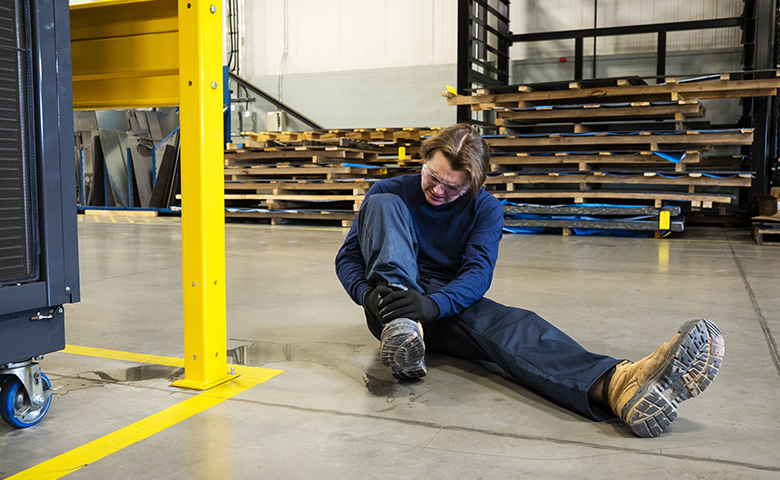
Slips, trips and falls are a perennial issue in the workplace. According to the National Safety Council’s Injury Facts, they’re the third-leading cause of DART (days away from work, job restriction, or transfer) cases. And as a recent article in Safety + Health magazine points out, slips, trips and falls are a stubborn challenge despite being relatively well understood by safety professionals. 

In a column titled “Breaking the Cycle of Slips, Trips and Falls,” safety expert Rhonda Piggee Johnson notes that almost every EHS pro cites environmental hazards, housekeeping, and human factors as the three major causes of slips, trips and falls. People slip on floors when they’re wet, when someone leaves a trip hazard in a walkway, and when they’re in a rush or distracted or otherwise aren’t paying attention to what they’re doing. But just because the reasons that people fall are obvious doesn’t mean they’re easy to fix. 

These three causes of slips, trips and falls don’t operate in isolation. Rather, they overlap in ways that are both dangerous and often hard to spot. As Piggee Johnson says: 

The issue lies in how human factors, environmental conditions, and workplace housekeeping intersect. When a crew finishes their shift and fails to properly tidy their work area and someone from another team hurries through by without paying attention, or when someone tracks in slush from a snowy parking lot and someone else is daydreaming as they cross the now-slick area. There’s no silver bullet that will fix the problem in these examples, because these examples aren’t a single problem at all. Instead, they’re a bundle of issues. One safety concern is exacerbated by another, and suddenly there’s trouble brewing. 

To that end, anyone who wants to make strides in reducing slips, trips and falls in the workplace should attempt to deal with all three of these issues simultaneously. Piggee Johnson calls this a “braided approach,” and she suggests that while it takes more effort to wrangle multiple issues at the same time, it can lead to more sustainable reductions in same-level falls. 

A good place to start is by elevating housekeeping standards. Conducting Human factors training is another excellent way to cut down on slips, trips and falls. And habit-building is a strong third strand in the braid, as it encourages workers to take practical steps like holding handrails and avoiding safety shortcuts, which can cut down on the risk of slipping and tripping. Even better, human factors initiatives often include elements of habit-building, making them an extra-efficacious way to keep workers on their feet. 

As Piggee Johnson notes in her article, there is no magic wand that will make slips, trips and falls disappear. However, she points out that good things happen when companies recognize how human factors interact with housekeeping issues to elevate the risk of incidents. Understanding how entangled these issues are allows these organizations to respond accordingly, and the end result is a safer workplace with fewer slips, trips and falls. 

Slips, Trips and Falls Guide

What You Don’t Know about Same-level Falls

Discover the major physical and human factors involved in slips, trips and falls—and practical solutions to prevent incidents.

Get the free guide now

Tagged , , , , , , ,

Worker suffering from fatigue on break

Have you ever wondered why people feel more tired as summer transitions into the fall? 

Fall fatigue is a real thing that people experience, even though it’s not medically documented. People often describe feeling unusually tired, lethargic, and low on energy as summer transitions into autumn. Fall fatigue is not the same as seasonal affective disorder (SAD), even though they both occur when the seasons change and daylight fades. 

While it starts getting noticeably darker earlier right after the summer solstice in late June, by the first day of fall (autumnal equinox) people really begin noticing the loss of daylight. According to the Farmer’s Almanac, the autumnal equinox is the precise astronomical moment when the center of the sun crosses the celestial equator. That means that, as the Almanac puts it, the “days become shorter than nights as the Sun continues to rise later and nightfall arrives earlier.”  

The sudden darkness also affects people’s circadian rhythm (the body’s internal clock). Light and darkness play a big part in regulating the biological clock by signaling when to sleep and when to be awake. That is to say, darkness makes people feel more tired sooner. The lack of sunlight can also disrupt sleep patterns, as less sun exposure means lower vitamin D levels, which helps the body build serotonin and convert it into melatonin (the hormone that makes someone sleepy).  

Adults need approximately eight hours of sleep every night. In the fall, when people ignore their body’s signal to want to sleep more, it may cause them to become alert later in the evening, getting a “second wind,” which makes it harder to fall asleep when they finally go to bed. That can result in a shorter or more disrupted night’s sleep. And losing even an hour of sleep can cause people to incur sleep debt.  

Lack of sleep significantly reduces productivity and negatively affects almost every other performance factor, including your physical and mental states. In the workplace, fatigue reduces employee performance because it diminishes their ability to make safe decisions, shortens their attention span, impairs memory, and slows reaction time and accuracy. That’s because every aspect of human biology is influenced by insufficient sleep: cognitive functions, reaction time, memory, and awareness. Essentially, fatigue makes people impaired. 

This time of year it’s critical to be hyper-focused on safe driving because fatigue is most apparent—and dangerous—behind the wheel. With school back in session, there’s an influx of pedestrians, more street traffic, slowdowns caused by bus pick-ups/drop-offs, increased bicycle riding, and excited kids not paying attention to where they’re walking. Children can dart into the road from between parked cars, often appearing with little warning and leaving drivers little time to react.  

So what can safety professionals do in the workplace to help manage people’s fatigue? Here are a few measures to help workers recognize and deal with fatigue issues before they affect safety or performance. 

Sleep talk 

Communication is key. Fatigue becomes more important when people can see how it affects everyday decisions. Studies have shown that fatigue-related symptoms in cognitive and physiological functioning are similar to impairments due to alcohol intoxication. Include a brief fatigue reminder in toolbox talks, pre-job briefings, and safety meetings. This includes encouraging workers to speak up if they’re too fatigued to perform a task.  

Get a move on 

People who regularly engage in low-intensity exercise were found to increase their energy levels by 20 percent and decrease their fatigue by 65 percent. You don’t need to offer an expensive gym membership to achieve this one. Instead, start a walking group on breaks. Getting outside during daylight hours is another important part of fighting fatigue. Walking can be helpful in lowering fatigue levels (30 minutes is ideal). Don’t sweat it if you can’t find a 30-minute block to schedule a walk; break it up into ten- or fifteen-minute walks two or three times a day.  

Break it down 

Organizations can minimize the impacts of fatigue by planning a production schedule to account for the times when workers are more likely to be more sleep-deprived. And strategically timed breaks can boost overall performance. Build a culture where employees can speak up when they’re feeling tired. Allow for a water or stretch break to give employees a quick reset from their tasks. 

Prepare for daylight saving time 

“Fall back, spring forward” means you gain an extra hour in November. But you should still prepare workers for this time change. It’s important to take advantage of that extra hour, but here’s where the warning comes in: people often overplan for that extra hour. And because it’s only an hour, this overplanning for the extra time often impacts sleep. People should plan to go to bed at the same time and wake up at the same time for the time change; i.e., if they normally go to bed at 11 pm and wake up at 7 am, they should still do that the night the clocks change, gaining an extra hour of sleep. 

Keep human factors in mind 

Fatigue is a common human factor that leads to errors. And it’s often impacted by complacency, which compounds the risk of injury. Since being tired is a regular, everyday occurrence for most people, the risks of fatigue is often downplayed. There’s a common misconception that fatigue can be overcome. By self-triggering on fatigue, workers can assess if they’re capable of performing tasks effectively, if they need to take a break, or if they should allow someone else to perform the task if it’s a matter of safety. Fatigue can also make people more susceptible to other human factors like rushing or frustration, which additionally increases the likelihood of a critical error.  

Human factors training helps employees understand how fatigue can affect their safety and performance, recognize when they or someone else may be fatigued, and learn what they can do to manage it before it leads to an error or injury. While you can’t force employees to go to bed at a reasonable hour, you can prepare them to assess their own sleep patterns and help them recognize the need for an optimal sleep schedule. 

On-demand webinar

Dead Tired: What Every Company Must Know About Fatigue

Fatigue is one of the most significant issues that companies face in every industry, as it affects safety, quality and productivity. Workers aren’t just tired—they’re dangerously impaired. This presentation will help you develop a plan to manage fatigue both corporately and individually.

Watch now

Tagged , , , , , ,

Putting on safety gloves before work

Safety gloves are an essential part of any hand safety program. But as a new article in Safety + Health magazine points out, preventing hand injuries requires a lot more than simply providing PPE. To that end, author Rhonda Piggee Johnson argues that safety culture can lend a helping hand when it comes to reducing injuries and keeping workers’ wrists, hands and fingers free from harm. 

The article makes a compelling case that culture has a major influence on compliance. When workers understand that PPE is part of the expected behavior in the workplace—and when they see their peers consistently wearing hand protection—then they’re much more likely to wear gloves on a regular basis.  

Another cultural factor is how an organization views the physical and mental states that affect people’s risk of injury. As Piggee Johnson explains, human factors can play a major role in hand safety: 

“Rushing and distraction are two major mental states that cause people to put their hands in the line of fire. Does your organization have a safety culture that recognizes these human factors as notable safety problems? And is there an expectation among frontline leaders that they take steps to help mitigate the risks of human factors? The answers to these two questions are a major indicator of your safety culture’s ability to deal with some of the underlying drivers of hand-related incidents.” 

Companies that have implemented a human factors management program will already understand that human factors are a serious issue, and its workers will have a set of skills that help them reduce the likelihood of hand injuries and other incidents. Conversely, organizations that haven’t yet begun to properly deal with human factors are likely leaving employees at greater risk than necessary. 

The article concludes by pointing out that culture can also affect habit development. Strong safety habits, such as wearing PPE and avoiding putting hands in the line of fire, are an effective way to mitigate the possibility of workers injuring their hands, even when human factors like complacency strike.  

Habit development is hard. It’s a high-effort and high-reward activity that requires a lot of cultural capital in terms of employee buy-in, supervisory support and time spent on practicing and building habits. Businesses with a strong workplace culture will likely have a much easier road to building hand-safety habits—but it’s worth noting that any company can take steps to improve habits, especially when it’s part of a more comprehensive initiative to combat complacency and deal with human factors. 

The entire article is well worth a read. And if you’re looking for an even more in-depth investigation into improving hand safety, check out this comprehensive guide with insights and strategies to prevent hand injuries. In addition to practical advice, it includes interesting statistics and outlines how culture, human factors management and other approaches can help sustainably boost hand-related safety outcomes in the workplace. 

Free guide

How To Make Habits Stick

Most of what we do every day is habitual, so learning how to change or form new habits can be a game-changer in safety. Use this guide to help your employees learn how to do it effectively.

Get the free guide now

Tagged , , , , , ,

Man check air quality index AQI urban environment on phone outside

While we’re approaching the end of smog season, late-summer wildfire smoke patterns and shifting regional weather systems are still contributing to poor air quality. As wildfire activity continues to affect many parts of North America, it’s a good time to consider how air quality affects workers in your facility.  

Most people don’t realize that human factors can play a part in downgrading risk response to air quality—because unless there is visible smoke in the sky, people often don’t think about the air quality. That’s a classic case of complacency. And as wildfire smoke and poor air quality are becoming a more common part of summer thanks to climate change, this type of complacency is going to increasingly become a challenge for safety professionals. 

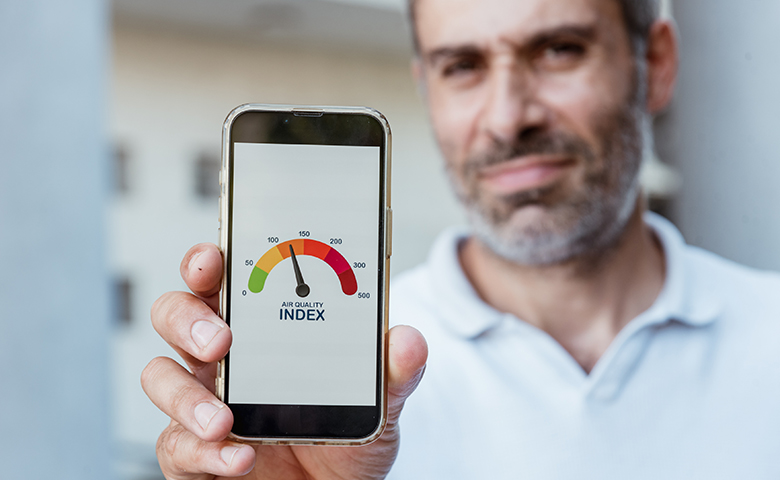
The best approach for your facility is to be aware of the risks and prepare for these conditions each year. Air quality is frequently included in daily weather reports, weather apps, and government forecasts—working on the habit of checking the air quality report is a good start. 
 
Employees who work outdoors or travel between job sites may face a higher risk of exposure, but even commuting to work can result in enough exposure to pose a health risk when air quality is poor. For workers with pre-existing health conditions that are exacerbated by poor air quality, the impact may be not only physical but psychological as well. Concern about respiratory symptoms worsening, medication needs, missed work, or long-term health consequences or complications can increase stress and worry. The gradual effects of climate change on mental health, known as eco-anxiety, are also a challenge. 
 
Recognizing the physical effects of poor air quality is an important part of managing the broader human factors risks and psychological effects associated with poor air quality. Exposure to poor air quality may cause eye, nose, and throat irritation, coughing or shortness of breath, headaches or dizziness, worsening of asthma, heart, or other respiratory conditions, and unusual tiredness or fatigue. As this list suggests, low air quality is not only a respiratory hazard, and it can affect the human factors that influence worker performance and decision making. 
 
The physical effects may contribute to fatigue, reduced alertness, concentration, and overall situational awareness. And those symptoms can, in turn, increase the risk of multiple human factors. When tasks require more effort than usual—which is often how people feel when they’re fatigued—they may become frustrated more easily. Feeling physically uncomfortable can reduce a person’s tolerance for stress and create frustration for those experiencing irritation or discomfort. In some cases, workers may also feel tempted to rush to complete tasks more quickly or take shortcuts to limit their exposure.  
 
Anticipating both hazards and human factors before a task begins is one of the most effective ways to prevent incidents and critical errors.  

Here is a quick checklist you can use to strengthen your facility’s approach to managing the effects of poor air quality on workers: 

▢   Make a habit of checking the air quality report before going outside.                                    
   
▢  Include information about air quality in daily startup meetings or toolbox talks.                  
   
▢  Consider additional PPE if the levels are acceptable to be working outside, like a respirator or goggles/protective eyewear. 
   
▢  Encourage workers to report symptoms such as coughing, throat irritation, headaches, dizziness, unusual fatigue, or difficulty concentrating. 
   
▢  Limit outdoor exposure (by reducing or postponing outdoor work) if the air quality index reaches unhealthy levels. 
   
▢  Increase the number of breaks and ensure there’s a designated clean-air or filtered area to take breaks. 
   
▢  Use the recycle/recirculation feature in vehicles, which blocks outside vents, so smog, dust, pollen, and bad air stay outside. 
   
▢ Inside the workplace (or home), adjust the A/C unit to recycle the air instead of pulling in air from the outside. 


Understanding the broad effects of poor air quality can help people recognize when it may be creating additional human-factor risks. Discuss these preventative measures in safety briefings or toolbox talks to identify potential impacts and take steps to implement precautions that can reduce people’s exposure, support workers’ well-being, and help them to stay focused when air quality is poor. 

Free Guide

Fighting Familiarity: Overcoming Complacency in the Workplace

Mitigate complacency—don't let complacency influence your company's safety outcomes or operate at an increased level of risk. Become more familiar with individual and organizational complacency, contributing factors and get a high-level overview of what organizations can do about it.

Get the free guide now

Tagged , , , , , , ,

Woman explaining work process

Safety and human resources go hand in hand. Just ask any HR professional how much of their time is preoccupied with safety-related issues and they’ll almost certainly answer, “A lot more than you think.” And while many companies have dedicated safety professionals—or even entire EHS departments—that doesn’t mean that HR specialists should stop thinking or caring about safety.  

After all, many HR challenges are fueled by the same issues that cause safety-related incidents: human factors. That’s because human factors like rushing, fatigue and distraction are fundamentally people issues. And people issues are HR’s territory. Understanding this overlap between safety and HR can go a long way towards addressing their common challenges. 

Human factors are the foundation for all sorts of problems 

If you take a look at any given safety incident, you’re likely to find a human factor involved. A human factor may be the sole cause of an incident—for example, some people can be so fatigued that they trip over their own feet—or it may be one contributing cause among many. Other times a human factor may exacerbate the downside of an incident, such as a forklift striking a pedestrian and having even worse outcomes because the driver was speeding. 

Any way you look at it, human factors are likely to be involved in safety issues. And the same can be said in the realm of HR. Problems like interpersonal conflict, lack of engagement and employees not following procedures often stem from frustration, complacency and ambiguity, all of which are human factors.  

Human factors don’t respect departmental boundaries, either. If someone is fatigued, they may cause a conflict with a co-worker or they may cause an injury to themselves or others. Human resources and safety may track those two events differently, but the root cause is the same. Fortunately, the solution for both EHS and HR is the same too—human factors management. 

Human factors management drives culture for both HR and safety 

Safety and human resources can both credibly claim to “own” the issue of culture. The EHS department has the power to build (or let atrophy) an organization’s safety culture, and safety folks also set an organization’s safety climate. Meanwhile, HR has their eye on monitoring (and positively influencing) how workers think, feel and act in regard to their employer. 

Many of the attitudes that are used to measure culture, from engagement levels to feelings of psychological safety, are influenced by human factors. It’s not a coincidence that organizations with low employee engagement also tend to have a lackluster approach to managing human factors. 

Human factors management is a concrete means with which both EHS and HR departments can positively influence culture. It also helps organizational leaders establish a common language and a broad understanding of no-blame accountability, and it can drive long-term upticks in job satisfaction, trust and safety outcomes. Those are results that will make both safety and human resources people happy. 

Human factors can make work harder—and managing them can make it easier 

When human factors contribute to safety incidents, the immediate effects are felt by the safety department, but the repercussions can also cause all sorts of challenges for the HR department down the road. An injury can lead to increased employee turnover, workers’ comp issues and lost productivity. It can also cause higher rates of employee churn in the long term, as workers seek to leave an employer that they may begin to view as becoming too dangerous to work for.  

These problems can then contribute to additional safety concerns. As experienced employees depart and are replaced with new workers, the risk of an incident goes way up, because new hires are much more likely get hurt than their more tenured counterparts. And if new workers are injured then the cycle begins again with the challenges related to workers’ comp, lost productivity and churn that can give human resources people such a headache. 

For many companies, developing the organizational capacity to manage human factors will reduce injuries and HR challenges at the same time. Fewer incidents lead to a stronger culture, less turnover and an easier time hiring, because a company’s safety reputation can make it a more attractive landing spot for potential employees, especially in a tight labor market.  

Collaboration between HR and safety professionals can make it a lot easier to convince senior leaders to implement a robust human factors management program. And because the benefits of managing human factors improve key metrics for both departments, there’s a strong incentive for everyone to do their part in sustaining the learning from human factors training. 

And when EHS and human resources folks effectively work together to reduce the impact of human factors? The company experiences fewer injuries and has a stronger culture. Employee turnover is down and worker productivity is up. And both departments see improvements in all sorts of other underlying metrics too, all as a result of a single human factors management initiative. 


On-demand webinar

Using a Human Factors Framework for Safety and Operational Excellence

It can be hard to see the connection between safety, productivity, human factors and organizational systems. This webinar will demonstrate how a human factors framework can impact all areas of an organization, linking individual worker safety and organizational systems and provide an outline that allows leadership to manage safety-focused change.

Watch now

Tagged , , , , ,

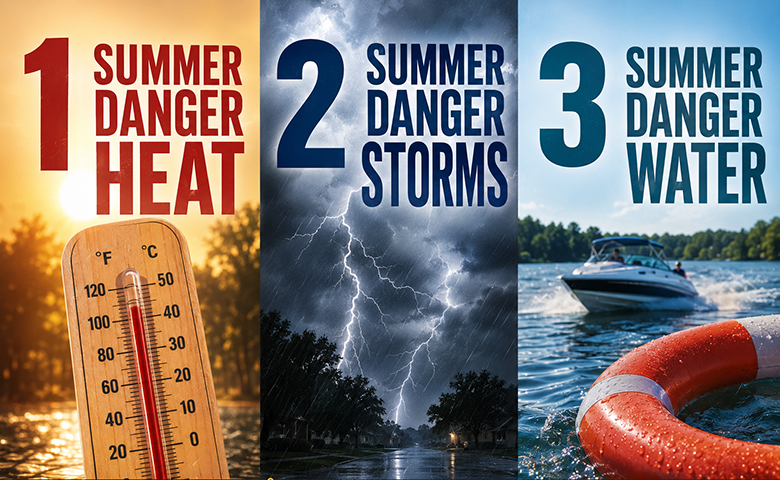
Summer danger elements heat, storms and water

Summer is well underway, and for a lot of people that means relaxation and vacation. But risk never takes a holiday, and just like its seasonal counterparts, the July to September timeframe is filled with its share of unique dangers. From soaring temperatures and severe weather to weekends spent on the water, there are plenty of hazards that can catch people off guard during the hottest months of the year. Thankfully, by understanding three common summer danger elements—and the human factors that often turn ordinary situations into incidents—you can help keep yourself, your coworkers and your family safe all season long.

Summer Danger Element 1: Heat

Sure, it’s obvious: summer is hot. But heat presents risks that extend well beyond simple discomfort. Employees working outdoors or in hot indoor environments face an increased risk of dehydration, fatigue and heat-related illnesses such as heat rash, heat cramps, heat exhaustion and life-threatening heat stroke. These conditions can develop quickly, especially when workers fail to stay hydrated or ignore the early warning signs. Left untreated, even relatively minor heat illnesses can progress into serious medical emergencies.

But the hidden danger of heat is the way it affects human performance long before someone experiences a medical emergency. As body temperature rises, fatigue sets in more quickly, concentration declines and people become more susceptible to distraction, frustration and impulsive decision-making. A worker who is mentally drained by the heat is more likely to miss hazards, overlook symptoms in themselves or a coworker, or convince themselves they can “push through” just a little longer. That’s why hydration, shaded rest breaks, proper clothing and acclimatization aren’t simply ways to prevent heat stroke—they’re also ways to maintain alertness and good decision-making throughout the workday. Teaching workers how heat influences both the body and the brain helps them recognize when it’s time to cool down before a minor issue becomes a serious incident.

Summer Danger Element 2: Storms

In the modern climate, summer weather can change in an instant. Severe thunderstorms bring lightning, damaging winds, hail and torrential rain that reduce visibility, create slick roads and produce flash flooding. Tornadoes can develop with little warning, generating destructive winds capable of collapsing buildings and overturning vehicles, while hurricanes add prolonged threats through flooding, storm surge, extended power outages and widespread structural damage. Whether at work, driving home or spending time outdoors, severe weather requires people to understand weather watches and warnings, know where to seek shelter and be prepared to change their plans when conditions deteriorate.

Severe weather can be even more dangerous when you add in the human element. Human factors often determine whether people respond safely to summer storms. Familiarity with seasonal weather can create complacency, which could cause workers to underestimate changing conditions because previous storms “weren’t that bad.” Fatigue, distraction, rushing and overconfidence can further delay good decisions, whether that’s continuing to work outdoors, attempting to drive through flooded roads or waiting too long before seeking shelter. Helping employees recognize these patterns encourages them to respond to weather alerts earlier, follow emergency plans without hesitation and avoid letting routine experience override sound judgment.

Summer Danger Element 3: Water

For many people, summer means spending weekends at the beach, by the pool or out on the lake. While these activities offer welcome relief from the heat, they also introduce hazards that go beyond the more obvious risk of drowning (though that is still a massive risk). Heat stress, severe sunburn, prolonged UV exposure, skin cancer, boating incidents and even unexpected situations involving family pets can turn a relaxing afternoon into an emergency. Water reflects ultraviolet rays, which increases sun exposure, and children, pets and recreational activities create distractions that make it easier to overlook developing hazards. Simple precautions such as wearing life jackets, supervising children and pets, staying hydrated and reapplying sunscreen can significantly reduce these risks.

Many of these incidents are driven less by a lack of knowledge than by complacency. Many people have spent years around water without experiencing a serious emergency, and that makes it easy for them to believe they don’t need a life jacket, or that one afternoon without sunscreen won’t matter, or that nothing dangerous will happen near the pool if they leave young ones or pets unattended for just a moment. This false sense of security can make people feel like they can take shortcuts that could have life-changing consequences. By helping workers recognize how familiarity influences their decisions around water, safety professionals can reinforce habits that protect employees and their families away from work while strengthening the same awareness and risk-recognition skills that improve workplace safety. Whether it’s recognizing when fatigue is affecting judgment, resisting complacency or paying closer attention to changing conditions, the human factors awareness that keeps people safe around water when they’re off the clock can also help prevent incidents on the job.

By understanding the hazards associated with heat, severe weather and water, while also recognizing how human factors influence everyday decisions, workers can make safer choices wherever the season takes them. Sharing these lessons through regular toolbox talks and everyday safety conversations helps build awareness that extends beyond the workplace, protecting employees and their loved ones throughout the summer months.

Free Guide

Fighting Familiarity: Overcoming Complacency in the Workplace

Mitigate complacency—don't let complacency influence your company's safety outcomes or operate at an increased level of risk. Become more familiar with individual and organizational complacency, contributing factors and get a high-level overview of what organizations can do about it.

Get the free guide now

Tagged , , , , , , , , , ,

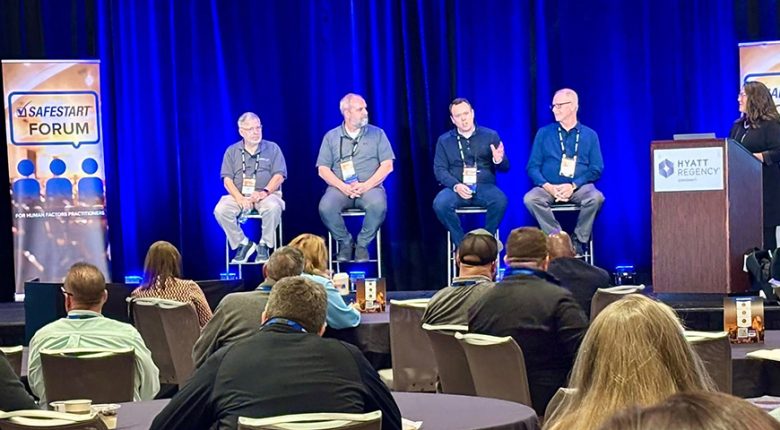
Panel Session at the SafeStart Forum

After you’ve been to enough safety conferences, you start to see the pattern. Agendas at these events are generally chosen to fit a specific theme, which is primarily explored through a concurrent series of expert presentations—individual presenters delivering 45–90-minute lectures on theme-appropriate topics. Panel discussions are usually a welcome change of pace. They provide a change of format from the rest of the conference sessions, they feel more like a conversation between a group of people than a prepared speech, and they tend to be less formal too. No wonder safety conference-goers like panel discussions so much.

Panels also give you the chance to hear differing opinions on a particular topic. High-level executives, subject matter experts and industry professionals with real-world experience are typically chosen to sit on panels, sharing the stage and providing their unique perspectives on a topic, dynamically shaping the session. And the diversity of thought doesn’t end on the stage. In addition to the multiple speakers on the panel providing several viewpoints on the topic to consider, you’re also likely to gain keen insights from the audience—greatly increasing your potential learning opportunities.

The moderator and panel members can include the audience either during the panel or toward the end of the discussion, heightening the engagement of the session. Standard safety conference sessions sometimes leave time at the end for Q&A but typically only a handful of questions are answered—panel discussions, meanwhile, tend to involve the audience more. Questions from the audience can spark new avenues for conversation between panelists, and inspire comments from the moderator. Attendees also have the opportunity to research the panelists’ backgrounds before attending the session, and this can help with understanding the knowledge and expertise behind the responses.  

The best panel moderators ensure that the audience is fully involved in their session. The role of the moderator is to direct the flow and timing of the discussion while being conscious of the large group of people. They are neutral parties who have significant knowledge of the topic, can break the ice, ask good questions relevant to the topic, and ensure the panelists have enough time to communicate their opinions and expertise. With expert moderation, a panel can feel like a discussion you’re participating in rather than a rehearsed presentation.

The upcoming SafeStart Forum offers two different panels to choose, running concurrently. The carefully selected moderators and panel members represent the most qualified experts on each particular subject. Check out the full breakdown of the sessions, moderators and panelists below to get a better idea of what to expect as an attendee.

Human Factors in the Wild: A SafeStart Best Practices Panel

Companies implementing SafeStart are moving beyond a traditional compliance-based approach to safety by integrating human factors principles into their existing safety management systems. They recognize that improving safety performance isn’t just about adding another program—it’s about understanding how people interact with their environment, how decisions are made under pressure, and how everyday human factors influence risk.

However, sustaining a successful SafeStart implementation looks different for every organization. There is rarely a one-size-fits-all formula. The most valuable insights often come from those who have already taken the journey—the organizations that have tested different approaches, learned what worked, identified what didn’t, and adapted their strategies along the way.

SafeStart training helps organizations rely less on luck and more on skill by giving employees practical tools to recognize and manage the human factors that contribute to critical errors. But what if you could also have access to the lessons learned, proven approaches, and implementation strategies that trusted advisors and other organizations have already put into practice? 

This panel discussion will provide a firsthand look at successful SafeStart implementations from a variety of perspectives, including both small and large sites. It will also provide insight into human factors for those who haven’t implemented SafeStart. 

The moderator for this panel is SafeStart Vice President, Implementation Services Kelley Norris. Kelley has been successfully leading teams for over 35 years, including 28 years with SafeStart. She leads the consulting practice and the project management team, and is responsible for strategy, growth, and governance of the SafeStart Implementation Services department.

The panel will be made up of Senior Aerospace Executive Lloyd Barker, Printpack Director, Environmental, Health, & Safety Cari Field, Epiroc General Manager and Sr. Human Resources Manager Dana Gunderson and Epiroc Materials Manager Deniale Steffen.

Leading Through Human Factors: A SafeLead Best Practices Panel

Leaders play a critical role in shaping the direction of safety within an organization. As the strategists behind safety initiatives, they help influence decision-making and create the framework that guides future safety practices. Effective safety leadership is not just about developing policies or implementing procedures—it is about creating the conditions where people can work safely. A big part of that is recognizing the human factors in the workplace.

When it comes to best practices, proven approaches, tested strategies, and lessons learned from real-world experiences can provide a valuable roadmap for avoiding common challenges to build a stronger path forward. Leaders must first understand how to engage their people, reinforce expectations, and make human factors in safety a part of everyday conversations.

Just as SafeLead equips leaders with the skills needed to influence safety performance and strengthen their leadership approach, this interactive panel session will provide valuable insights from experienced SafeLead-trained professionals who have applied these principles in the field. Panelists will share their experiences, discuss implementation strategies, and highlight the practices that have helped them successfully integrate SafeLead concepts into their leadership approach.

This panel will be moderated by SafeLead Implementation Specialist Teena Blount. Teena has worked in the Environmental, Safety & Health industry in the surface mining sector for more than 25 years. She was the EH&S Manager to four locations and 15 mine sites across two states, Georgia & South Carolina, before joining the SafeStart consulting team in 2013. With extensive experience delivering SafeLead training and coaching leaders, she is widely regarded as one of SafeLead’s leading consultants.

Among the leaders on this panel are Bray Safety Consulting Owner and Consultant Brad Bray, Benjamin Moore & Co Director of EHS Andrew Januseski, Printpack EHS Manager Matt Rayford, and SafeStart SafeLead Implementation Specialist Chris Ross.

The SafeStart Forum will take place October 20–21, 2026 in Franklin, TN. Registration is open and the Forum encourages attendees to come ready to participate, not only for the panel sessions but the entire conference. This interactive event will is unlike any other and having quality participants in the audience is one more benefit to attending with all attendees contributing their valuable insights and perspectives to sessions, networking and more. Please join us—we’d love to see you there!

On-demand webinar

Using a Human Factors Framework for Safety and Operational Excellence

It can be hard to see the connection between safety, productivity, human factors and organizational systems. This webinar will demonstrate how a human factors framework can impact all areas of an organization, linking individual worker safety and organizational systems and provide an outline that allows leadership to manage safety-focused change.

Watch now

Tagged , , , , , , ,

Worker fatigued on forklift

The effects of human factors on safety outcomes have been studied for decades. Whether it’s research on the effects of fatigue, a close look at the dangers of rushing, or an examination of other states like ambiguity, it’s clear that human factors have major implications for a company’s EHS program. Given this sizable impact, a new article in Safety + Health magazine argues that human factors management principles should be embedded in every organization’s safety systems.

Authored by highly regarded safety consultant Danny Smith, the article suggests that there are several approaches that companies can take to sustainably adopt human factors management principles. From establishing a common language to fostering at-home adoption, these techniques can make a dramatic difference in workers’ lives, not to mention in a company’s safety results.

The first tactic proposed by Smith is adopting a common language as a natural extension of initial human factors safety training. A good program will establish a set of terms that are easy to understand and used consistently throughout the training. A wise safety professional can take that terminology and begin inserting it into existing safety management systems. By way of an example, Smith suggests this new safety language “should be used in toolbox talks and safety meetings” and that it can easily be included in other training, too, “because it’s important to discuss fatigue during forklift training and rushing as part of fire safety training.”

Taking these steps to develop a common language will help reinforce initial human error reduction training. And it will also make it easier for frontline leaders to discuss human factors with workers, day in and day out. Research has shown that on-the-ground leaders can play a major role in improving a company’s safety climate. Getting supervisors talking about safety, and especially human factors, can be a huge part of that.

Smith’s article also points out that most preventable deaths and injuries occur away from the workplace. This means it’s important for safety professionals to help employees develop human factors management skills that can keep them safe at home and on the road, not just on the job. Fortunately, there are several tangible benefits to doing so, from better employee engagement to fewer lost-time injuries resulting from non-work incidents.

Human factors training is a key component in protecting workers from the dangers of states like rushing and fatigue. But training is only the first part of the equation. Smith’s write-up in Safety + Health provides several avenues for EHS folks to get additional benefits from this type of training, making it a must-read for anyone looking to reduce the effects of human factors on safety outcomes.

Toolbox Talk Guide

Better Toolbox Talks and Safety Meetings

With this free toolbox talk guide, you’ll learn how to engage employees with safety meetings that work.

Get the free guide now

Tagged , , , , ,